Castello Saraceno - Castello di Taormina
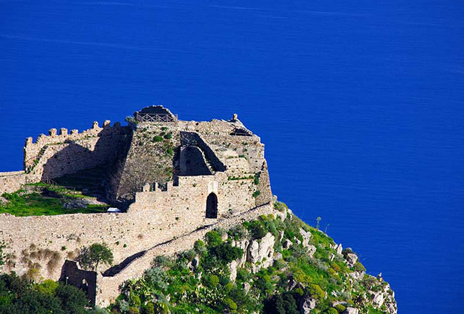
Castello di Monte Tauro (also known as the Arab-Norman or Saracen Castle) sits high above Taormina at 397 meters, offering sweeping views of the Ionian coast, Mount Etna, and the surrounding valleys. Built on a strategic acropolis used since Greek and Roman times, the fortress played a key defensive role through Byzantine, Arab, and Norman periods. Though now partly in ruins, its remaining walls, tower, and ancient structures still reflect its military importance and make it a scenic and historic viewpoint.
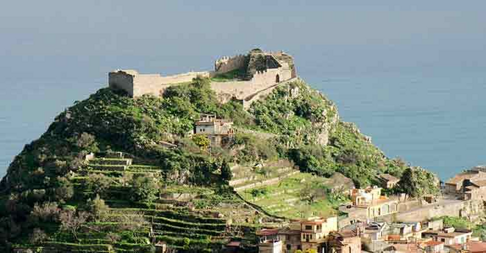
Castello Saraceno in Taormina, located on Monte Tauro, is open daily (typically 10:00 AM – 8:00 PM in summer, closing earlier in winter) for a fee of €10, often including a digital audioguide. Tickets are available online or on-site, offering access to 11th-century Arab-Norman ruins and panoramic views
Associazione Culturale by Fragranza di Sicilia


Address
Via Tommaso Fazzello 6B-C
Taormina ME 98039, Italy
Contacts
Our Social Media
What to see and points of interest:
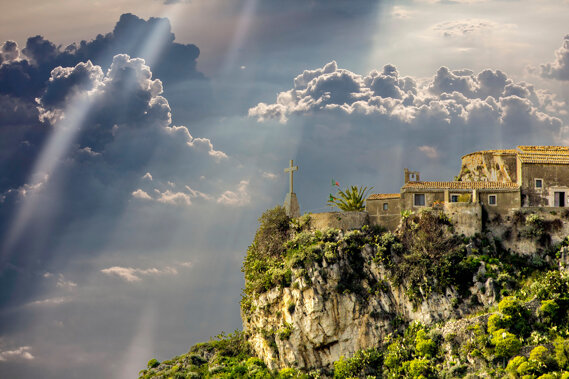
Although not located in the heart of Taormina, Chiesa della Madonna della Rocca is well worth a visit—if not for the church itself, then for the breathtaking views along the path that leads to it. The trail begins on Via Crucis, also known as Salita Castello, just off Via Circonvallazione. This “Way of the Cross” depicts the events of Christ’s Passion, offering both a spiritual and scenic journey.
According to modern accounts, Monsignor Giovanni Di Giovanni recounts that the church was founded around 1640 by Abbot Francesco Raineri.
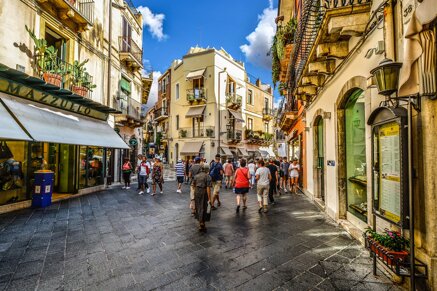
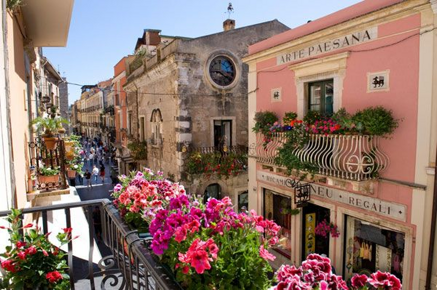
Known as the Main Street of Taormina, Corso Umberto cuts through the very heart of this ancient city. Starting from the Arch of Porta Catania (South) it runs for approximately 800 meters until it reaches the Arch of Porta Messina (North). Corso Umberto is where you will find the pulse of this city. As you stroll along the narrow street you will be able to see much of the ancient history, the art, and influences of many past dominations (Arab, Norman, Greek, Roman, etc.) as well as the very exclusive shopping in Taormina, the boutiques, and restaurants.
The church is open for services every third Sunday of the month at 9:30 and welcomes visitors during operating hours of 9.30 – 12.30 (Winter time) 9.30-12.30 and 16.00 – 19.30 (Summertime).
Yet, historical records suggest an earlier origin: the 12th-century Arab geographer Edrisi notes that the sanctuary was built at the behest of the court of Roger II, the first Norman king of Sicily. This indicates that the church of Santa Maria della Rocca may indeed date back to the 12th century, with Raineri later restoring and rebuilding it after more than five centuries of neglect. He is also believed to have added a small monastery, which has long since fallen into abandonment.
Near the edge of the clearing by the church stands a large reinforced concrete cross, erected in 1930 during a mission by the Redemptorist Fathers. Facing east toward Taormina, it is illuminated at night, making it visible from every direction.
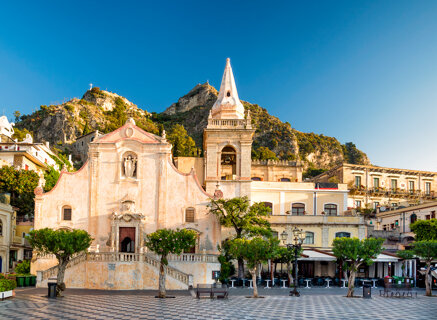
Piazza IX Aprile is a panoramic square in the heart of Taormina, known for its lively atmosphere, beautiful architecture, and great people-watching. It’s a popular spot for aperitivo, surrounded by cafés and bars.
2026 Seasonal Opening Hours
The theater generally opens at 9:00 AM daily, with closing times shifting according to the following schedule:
| Period | Opening Hours |
| Jan 1 – Feb 15 | 9:00 AM – 4:00 PM |
| Feb 16 – Feb 28 | 9:00 AM – 4:30 PM |
| Mar 1 – Mar 15 | 9:00 AM – 5:00 PM |
| Mar 16 – Mar 31 | 9:00 AM – 5:30 PM |
| Apr 1 – Apr 30 | 9:00 AM – 6:30 PM |
| May 1 – Aug 31 | 9:00 AM – 7:00 PM |
| Sep 1 – Sep 15 | 9:00 AM – 6:30 PM |
| Sep 16 – Sep 30 | 9:00 AM – 6:00 PM |
| Oct 1 – Oct 15 | 9:00 AM – 5:30 PM |
| Oct 16 – Oct 31 | 9:00 AM – 5:00 PM |
| Nov 1 – Dec 31 | 9:00 AM – 4:00 PM |
- Last Entry: Typically permitted until 45 minutes before closing.
- Special Openings: On the first Sunday of every month, admission is free.
- Evening Events: During the summer (July–September), the theater often hosts evening concerts and operas, which may restrict access to certain areas during the day or offer separate night-time entry.
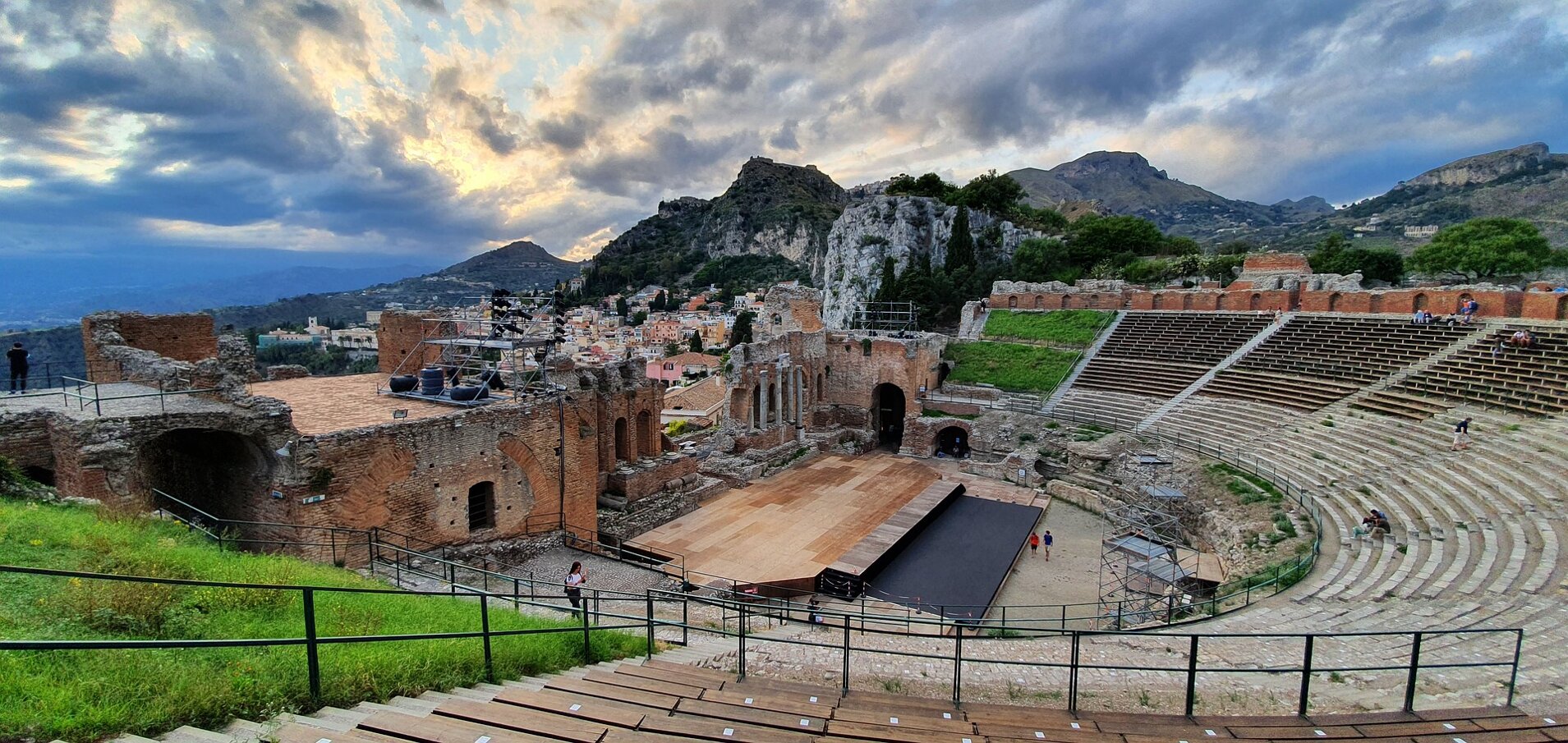
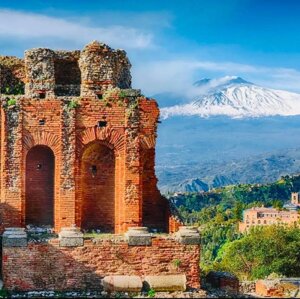
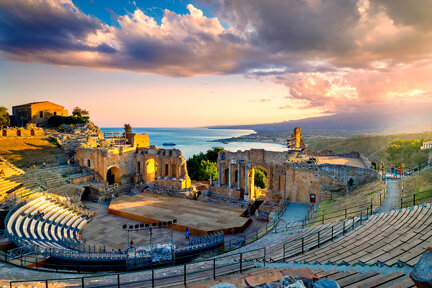
Ancient Theatre of Taormina, dating back to the 3rd century BC, is one of Taormina’s most iconic sights, with breathtaking views over the sea and Mount Etna. Tickets cost €9–16, and in summer the theatre comes alive with concerts and June film festival screenings. It typically opens at 9:00 AM and closes about an hour before sunset (hours vary by month). You can book your ticket and see additional information here.
The piazza is also home to notable churches like Church of San Giuseppe, a Baroque church with ornate stucco interiors, and Church of Saint Augustine, originally built in 1486 and now used as a library and exhibition space.
Directions to the Villa Comunale
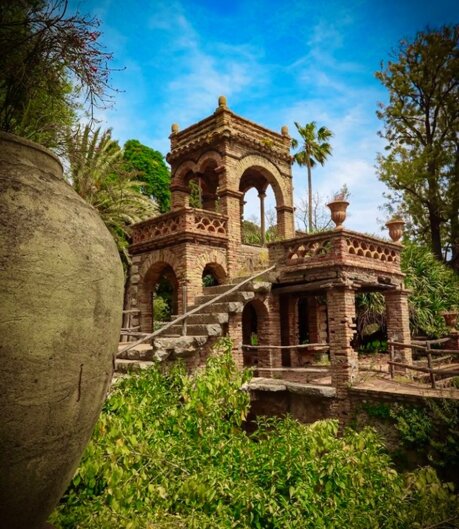
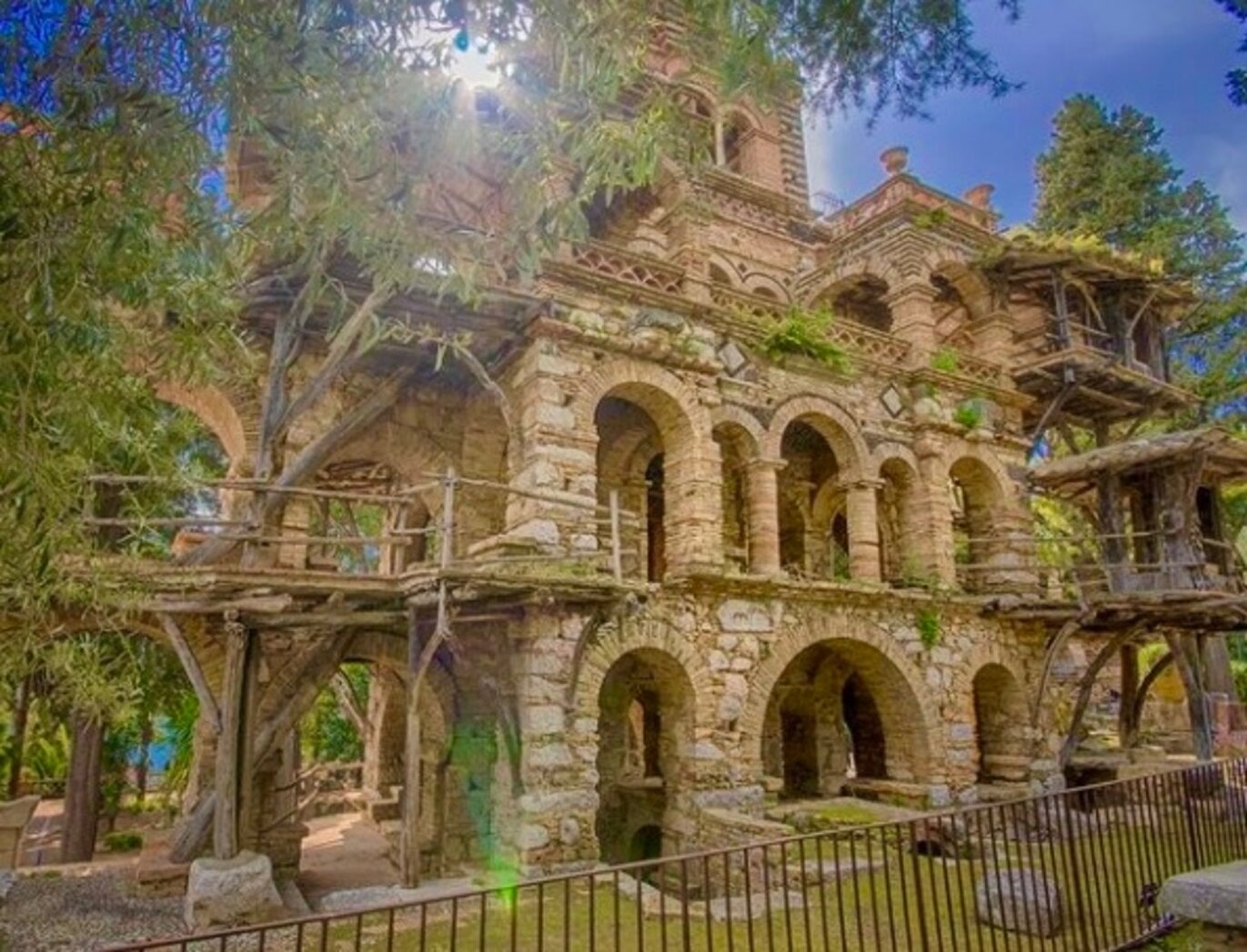
Trevelyan Park, Villa Comunale of Taormina, was built in the mid-19th century at the request of Lady Florence Trevelyan. She was an English noblewoman who was raised at the court of Queen Victoria and was the cousin of her grandmother, Lady Maria Wilson. Lady Florence was the daughter of wealthy parents, Edward Spencer Trevelyan and Catherine Ann Forster. In 1879, she began her long journeys through Europe and North Africa, but in February 1884, she was exiled from England on charges of having an affair with Queen Victoria's firstborn, the future King Edward VII, who was already married to Alexandra of Denmark.
Following her exile, Trevelyan settled in Taormina, where she married the mayor Salvatore Cacciola on July 13, 1890. Together, they purchased 87 lots of land and some old houses, which they razed to the ground to create the current Public Garden. Lady Florence died in 1907 and was buried at the top of Monte Venere, where she spent the last years of her life.
Trevelyan Park is a historic garden that covers an area of 22,400 m², with a length of 280 m and a maximum depth of approximately 70 m in the central part. The most interesting architectural elements of the Villa Comunale of Taormina are the ‘Victorian Follies’. These are eclectic-style buildings inspired by oriental architecture. Lady Florence designed and created them between 1890 and 1899, and they are also known as "the beehives" due to their particular shape. She used the Victorian Follies as a bird-watching station.